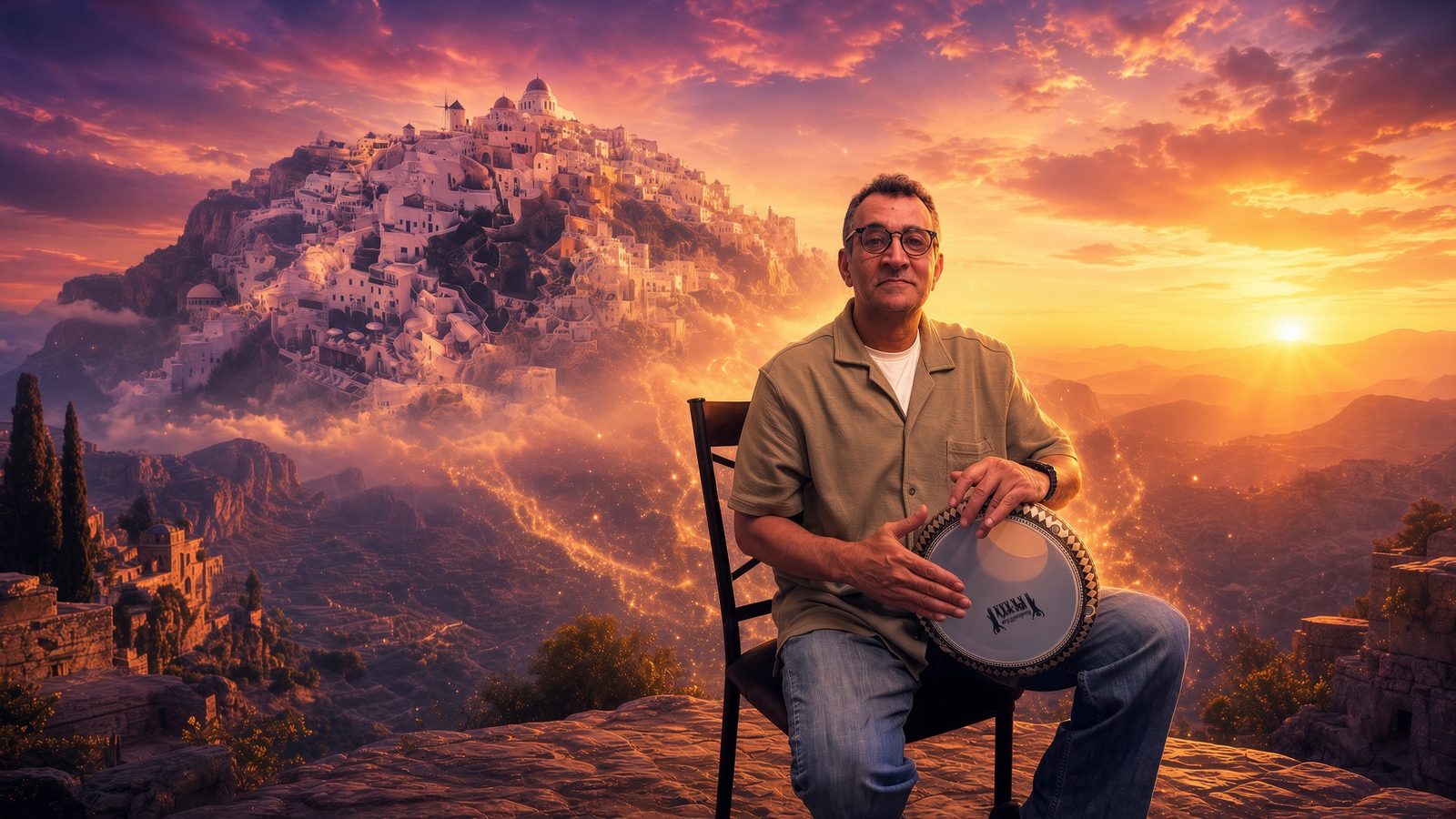
In 2002 I was sitting in an ethnomusicology classroom at the University of Illinois, a Tunisian in the American Midwest, studying the musics of places I had never been. I played darbuka on stage with the Balkanalia Ensemble in those years — a North African drummer inside Balkan rhythms, which is its own kind of education in how far a groove can travel. But the lecture that rearranged my life was not about the Balkans. It was about Greece.
Rebetika. The underground songs of the Greek dispossessed — refugees, dock workers, the urban poor of the early twentieth century. Music made in the margins, scorned by polite society, carried by ear from one cramped room to another. The melodies were simple and devastating; the words were defiance itself. No orchestras, no patrons, no permission. Just the powerless, singing anyway.
Continue reading
Create your account for one month free — no card. Already have an account? Sign in.